

Many customers hope that the coating has a relatively high hardness when using electroless nickel plating solution for production. So what factors are related to the hardness of the coating?
1.The phosphorus content of the chemical nickel layer. The increase in phosphorus content in the chemical nickel layer will result in a corresponding decrease in hardness. That is to say, the hardness of medium phosphorus chemical nickel will be higher than that of high phosphorus chemical nickel.

2. Electroless nickel plating solution. The content of each component in the electroless nickel plating solution produced by different manufacturers varies, and the composition and proportion of each component in the plating solution also differ, resulting in differences in the hardness of the resulting chemical nickel layer. In addition, the pH value and temperature of the plating solution also have a certain impact on the hardness of the chemical nickel layer.
3. Heat treatment medium. The hardness change of chemical nickel layer varies when subjected to heat treatment in different media.
4. Heat treatment temperature. The chemical nickel layer undergoes heat treatment at an appropriate temperature, and the hardness of the coating increases with the increase of temperature. When the heat treatment temperature exceeds 400 ℃, the hardness of the chemical nickel layer actually decreases.
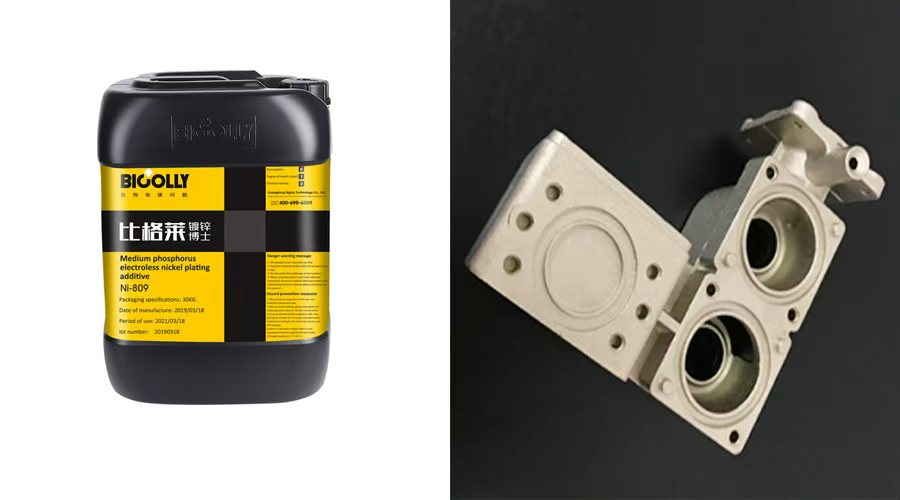
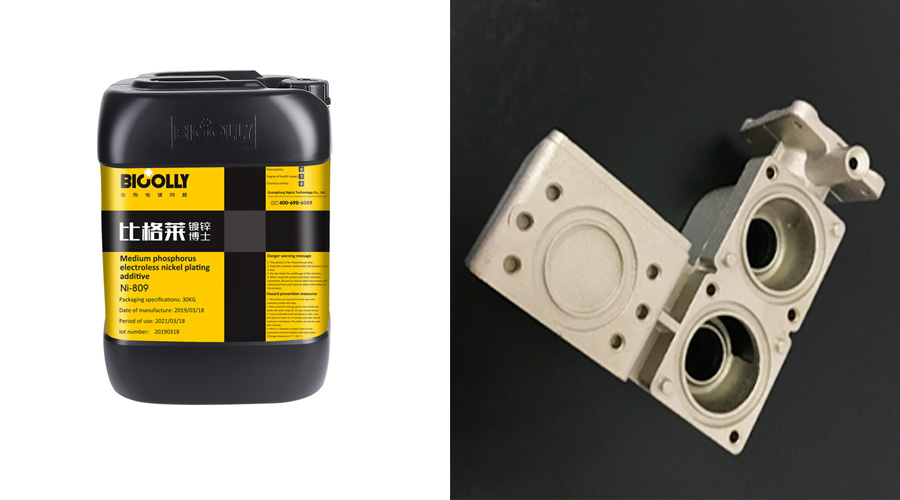
So, in order to achieve high hardness of chemical nickel plating, it is recommended to choose a large brand of electroless nickel plating solution (such as Bigley's medium phosphorus electroless nickel plating solution Ni-809), control the parameters of the plating solution, and do a good job of heat treatment. If you would like to learn more about electroless nickel plating solutions, please feel free to call us for consultation. Our engineers at Bigely are always available to answer your questions.


